
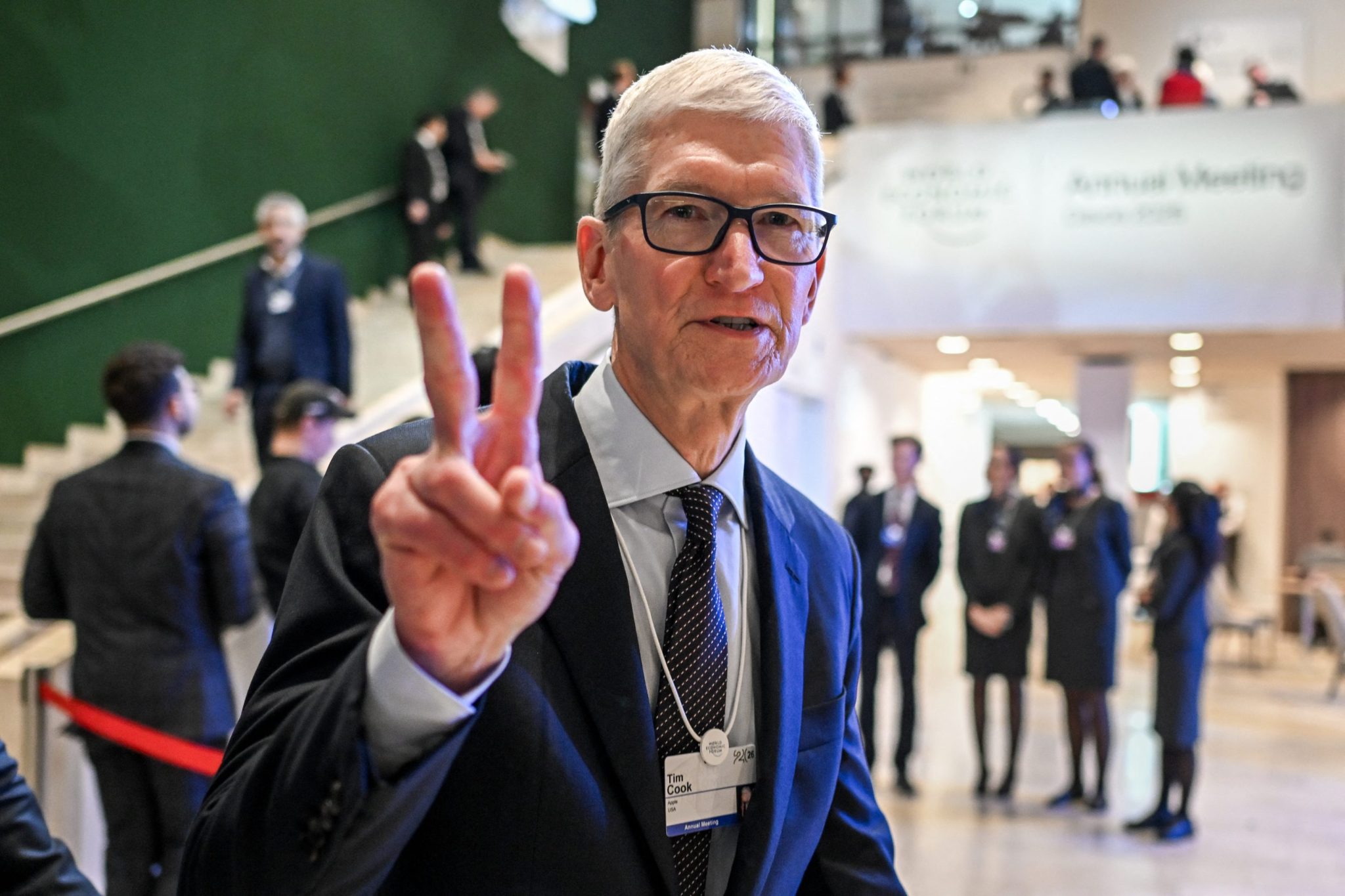
The most dangerous moment in a CEO’s career comes the morning you realize the instincts that built everything are the same ones now holding it back. Tim Cook just gave us the most visible example in corporate history.
$350 billion to $4 trillion in market cap. Revenue from $108 billion to over $416 billion. By any financial measure, the most successful CEO succession ever. And yet he’s stepping down.
The numbers are real. But they hide the real story.
Cook succeeded Steve Jobs because he refused to become him. In 2011, with Jobs gone and the world watching, the gravitational pull was to imitate. To ask “what would Steve do?” in every room. To wear the predecessor’s identity as armour.
Cook didn’t. He led as who he actually was. An operator. A supply chain thinker who believed values could be a competitive advantage. He took Apple into services and wearables. He turned privacy into a brand. Those weren’t Jobs moves. They were Cook moves. And they worked because the person and the position matched.
That match is everything. And nobody talks about it when it starts to break.
I’ve sat across from hundreds of CEOs at the exact moment it breaks. It doesn’t look like failure. It looks like confusion. The leader is still performing, still making decisions, still holding the room. But something has shifted underneath them and they can feel it before they can name it.
One CEO told me: “I’m doing everything that used to work. But it’s like the room has changed shape and I’m still standing where the furniture used to be.”
That’s what happens when context moves and identity doesn’t. The gap widens without warning. Between you and your team. Between you and yourself. And the longer you keep leading from who you were, the wider it gets.
Cook’s version played out publicly. His identity was operational excellence, steady stewardship, a privacy-first instinct. For fourteen years, those instincts served Apple well.
Then AI changed what the moment demanded, and Cook’s operating mode became visible in a way it hadn’t been before. Bloomberg reported that someone who worked closely with both Cook and new CEO John Ternus described the difference simply: if you brought Cook two options, he wouldn’t choose. He’d ask questions. Ternus would pick one. Right or wrong, he’d decide.
The same deliberation that steadied Apple for 14 years had become the thing slowing it down. Apple Intelligence arrived late. Siri fell behind. The company that once defined the future found itself defending the present.
Most CEOs don’t recognise this from the inside. Because the identity that built your career feels like you. Letting go of it feels like losing yourself.
But identity at the top isn’t your character or your values. It’s the operating mode you lead from. And operating modes expire even when values don’t.
A CFO becomes CEO and keeps personally running every financial review because that’s where she feels competent. A founder can’t let anyone else own a decision because ownership is who he is. A successor keeps asking what the previous leader would have done instead of asking what this chapter demands.
None of them are doing it deliberately. They’re doing what feels natural. And at the top, that’s dangerous. Because your defaults don’t just affect you. They become the operating system of the company. Your caution becomes their caution. Your need for control becomes their waiting for permission.
The hardest conversation I have with CEOs is the moment they realize the leader they’ve been, the one that earned everything, is the leader they now need to outgrow. The room gets very quiet. Because they’re not being told to work harder or think smarter. They’re being asked to become someone they don’t fully recognise yet.
Cook handled this on his terms, with the transition planned long before the market forced it.
And now it transfers to Ternus. Twenty-five years at Apple.
A hardware engineer stepping into a role that will be defined by AI, software, and services. Will he lead as the hardware person running a software company? Or will he do what Cook did in 2011, refuse to be a copy, and figure out who this seat actually needs him to become?
Every CEO reading this is somewhere on that timeline. The identity that made you successful is already aging. The context around you is shifting. And the question you’re probably not asking yourself, because it’s the most uncomfortable question there is, is simple:
Is the leader I’ve been the leader this moment needs?
Cook proved you can succeed by leading from your own identity. He also proved that even the right identity has an expiration date.
The opinions expressed in Fortune.com commentary pieces are solely the views of their authors and do not necessarily reflect the opinions and beliefs of Fortune.
This story was originally featured on Fortune.com