
If Spirit Airlines’ abrupt collapse sent a warning across the travel industry, it’s that resistance to change can carry real consequences.
That reality is now shaping decisions at companies where long-standing business models are being reworked in response to shifting consumer expectations and tighter margins. Few shifts have been more visible than at Southwest Airlines, where recent changes—ending its long-held policy of two free checked bags and moving away from open seating—cut to the core of what the airline has long been known for.
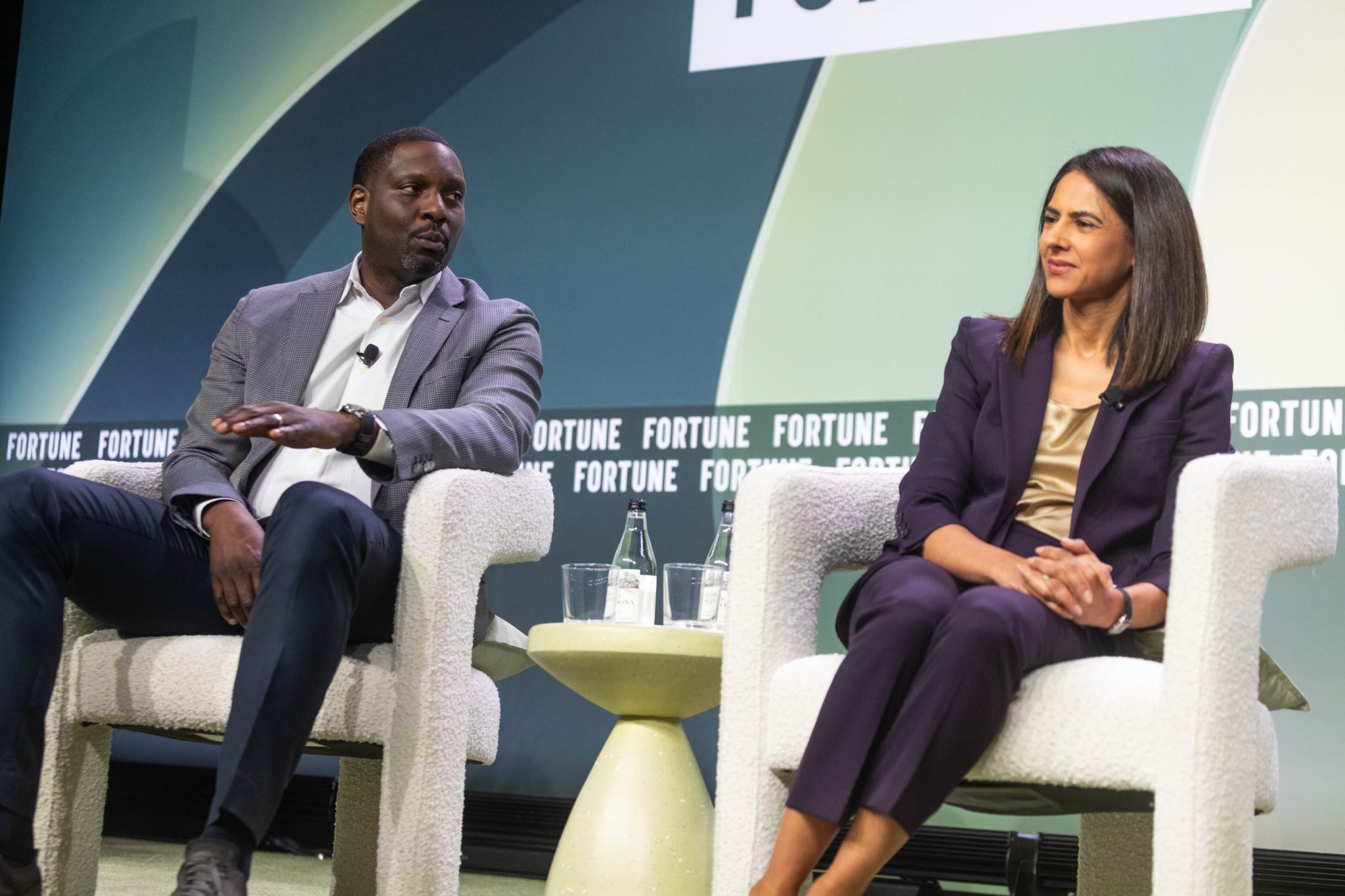
But speaking at Fortune’s COO Summit on Tuesday, Southwest’s EVP and Chief Customer & Brand Officer Tony Roach acknowledged the magnitude of the changes, comparing the shift away from open seating to “changing the engine in the car.” He argued the moves were necessary for the airline’s long-term survival—not a departure from its identity.
“We are a brand that’s been iconic, but we want to be sustainable,” Roach told a crowd of execs at the “The Bold Bets That Are Reshaping Customer Experience Today” panel. “And so fundamentally we need to change our business model, so that we have the future to look forward to.”
Southwest has also pushed further upmarket, adding more premium offerings to compete for higher-spending travelers. But Roach said the airline is not necessarily trying to mimic larger rivals.
“All we’re doing is widening in aperture to be able to add more premium into the mix,” he said. “It doesn’t mean we’re trying to be Delta, because we don’t think we need to be Delta to be successful.”
Despite headwinds in the airline space in particular due to rising fuel prices, Southwest’s stock is up more than 25% over the last year. Roach described the company as “running better than it was before.”
Shifting consumer habits pushed MGM to launch its first all-inclusive package—now a takeover bid is raising the stakes
Southwest is not alone in having to rework its value proposition.
MGM Resorts—best known for Las Vegas properties including Mandalay Bay and Bellagio—has faced similar pressure as shifting consumer habits weigh on tourism spending. Las Vegas welcomed 38.5 million visitors in 2025, down 7.5% from the year prior, according to the city’s Convention and Visitors Authority, underscoring the challenges facing the broader hospitality sector.
“We had to really redefine what value means in the context of our portfolio,” Ayesha Molino, MGM Resorts International’s COO, said in the Fortune panel alongside Roach.
“We heard loud and clear last year from our customers that they felt like they weren’t getting that value proposition from Vegas anymore, particularly at our core properties,” Molino added during the conversation. “So we listened, we heard it, we changed.”
Part of that rethink has included the launch of MGM’s first all-inclusive experience package, bundling hotel rooms, resort fees, parking, meals, and entertainment into a single fixed price—a direct response to customer concerns over affordability and hidden costs.
The company’s recalibration comes at a pivotal moment. Media mogul Barry Diller—whose company already holds a 26.1% stake in MGM—this week proposed an $18 billion bid to take over the casino operator, arguing the business has yet to reach its full potential.
Molino briefly acknowledged the proposed deal but emphasized that MGM’s immediate focus remains operational execution.
“The trick is really to make sure that we keep our 60,000 employees focused on what they need to do every single day, which is deliver the best guest services possible,” Molino said. “And at our scale, it is a big task to keep that population focused, but I think our leaders are well positioned to do it, and everyone is very zoned in on the task at hand.”
In the meantime, Molino said MGM is keeping every option on the table to make the customer experience as seamless as possible—including revisiting marketing strategies and rethinking booking flows.
This story was originally featured on Fortune.com