
The world’s attention remains fixated on Iran and the Strait of Hormuz, but the four-year slog of Russia’s war in Ukraine continues to have an outsized impact on global energy markets, especially as diesel prices hit all-time highs at the end of this week.
The war in Ukraine has caused periodic oil disruptions in the Black and Caspian seas and to pipelines and terminals, but the biggest growing impact is Ukraine’s rising success targeting Russia’s refining network with long-distance drone attacks. An estimated 40% of Russia’s oil-refining infrastructure is now offline, and Russia has cut off its diesel exports—resulting in about 3% of daily, global diesel supplies removed from markets.
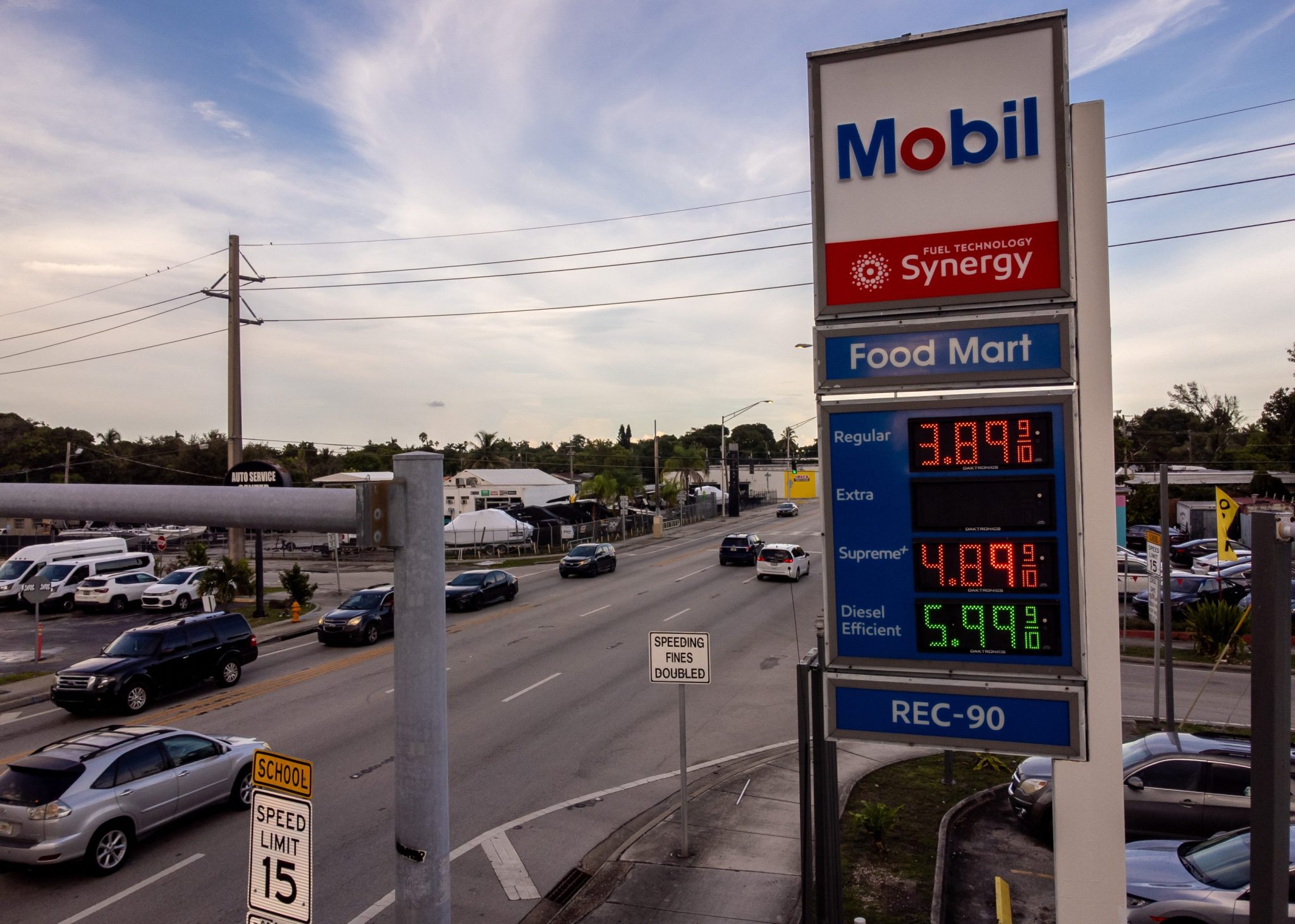
Combined with even bigger refining outages in the Middle East, and with China voluntarily mothballing some facilities because of its reduced oil imports, the situation has driven up the average price of diesel fuel in the U.S., reaching an all-time high of $5.85 per gallon on Friday, according to GasBuddy. Likewise, the average U.S. gasoline price—$4.14 for a gallon of regular unleaded—is the highest ever entering Labor Day weekend, breaking the previous 2012 record.
“The Russia situation is really critical,” said Matt Reed, president of the geopolitical and energy consultancy Foreign Reports. “It makes sense that the world’s attention turned to Hormuz since the closure triggered the largest supply shock in history. Yet the real story now is refining constraints that are keeping fuel prices high. When the strait shut, the world tapped crude stocks, but we don’t have the same kind of cushion for refined products.”
“In 2026, we learned that the global oil market is surprisingly resilient while the refining ecosystem is extremely fragile,” Reed told Fortune.
The U.S., for instance, has aggressively drained its Strategic Petroleum Reserve of crude oil down to 44-year lows in order to keep oil flowing. There is no strategic reserve of fuels.
While the price of gasoline directly impacts most motorists, the record diesel costs hit people indirectly through inflation. Reducing diesel demand would mean reducing the global economy. The farming and trucking industries rely heavily on diesel, hiking up the costs of food and everything we buy from groceries to other goods and services.
“Diesel is the fuel that moves the economy and, when diesel prices reach record levels, the impact extends far beyond the transportation sector,” said Patrick De Haan, head of petroleum analysis at GasBuddy. “Higher diesel prices impact consumers as rising supply chain costs increase the price of groceries, household goods, deliveries, and countless other products Americans rely on every day.”
How did we get here?
Between Russia, the Middle East, and China, more than 10% of the world’s global oil-refining capacity is offline.
North American refineries have helped compensate partially by maximizing their operations (and raking in record profits as a result). But, following the busy summer driving season, many refineries go into September and October planning to undergo maintenance, reduce their outputs, and switch to churning out winter-grade fuel formulations.
While some of those refineries will now stay online—delaying previously planned maintenance—others will still go partially offline, including Canada’s largest refinery near Maine and some U.S. Gulf Coast refineries. Essentially, the diesel shortage problem isn’t getting better anytime soon, said Gregory Brew, senior energy analyst with the Eurasia Group.
“That’s going to put even more pressure on product prices in the U.S.,” Brew told Fortune. “And that’s likely to come in mid-September and it’s going to last through November.”
With so much of Russia’s refining capacity offline—courtesy of successful Ukrainian drone strikes—Russia in July stopped exporting diesel, extending that ban through September and potentially longer. While the fuel shortages are most dire within Russia, it’s contributing to prices spikes globally, including regional shortfalls elsewhere.
Russia is even refining some of its oil in Kazakhstan, and now it is hiking its imports of gasoline to compensate for its lack of domestic supplies, further depleting global supplies.
When Russia first invaded Ukraine in 2022, oil and fuel costs jumped worldwide—partially out of fears of war spreading globally—but prices settled down after a few months amid a recognition that the conflict was contained. Also, the Biden administration deterred Ukraine from striking Russia’s energy assets. That calculus has changed in Trump’s second term as Ukraine has dramatically increased the range and accuracy of its drone attacks.
“What’s changed is how much success they’ve had at hitting their targets,” Brew said of Ukraine. “That suggests that Russian air defenses have been slowly whittled down. The Russians can’t shoot down Ukrainian drones and missiles with the same kind of effectiveness of a year ago. The Ukrainians are having more success hitting refineries, including around Moscow.”
But what happens next? “How does Russia respond?” Brew asked. “If they’re seeing their domestic energy infrastructure slowly disintegrate, will that compel [President Vladimir] Putin to escalate the war to shift the balance more in his favor? I think that’s a real risk.”
From oil to fuel
While Russia has routinely targeted Ukrainian power plants—and may soon escalate the attacks—Ukraine’s strategy has been scattered, from targeting oil tankers to pipelines to the most successful results, the refineries.
As a result, disruptions have spread beyond the borders of the two countries. In 2022, Russia’s Nord Stream natural gas pipelines into Europe were sabotaged. Ukraine has previously hit the Druzhba oil pipeline system that stretches through much of Russia and into Europe. And Ukraine has fired upon Russia’s oil platforms, tankers, and terminals in the Black Sea.
Kazakhstan’s oil production has even been periodically disrupted because it depends on the Caspian Pipeline Consortium that runs through Russia. And, as Europe has felt more threatened by Russian incursions, a week ago NATO fighter jets destroyed a drone near Romania’s natural gas projects in the Black Sea.
But the global crude oil and natural gas markets have largely adapted to those occasional disruptions, partly because they don’t happen all at once, or by leaning on oil reserves, or by developing more renewable energy to reduce natural gas reliance.
However, the large, immovable oil refineries in Russia have made for big targets that are not easily repaired.
“We’re seeing increasing tightness for refined products,” Brew explained. “Diesel in particular is going up across the board in lots of different markets and that is, to a great extent, downstream of what Ukraine has been doing against Russia.”
Ukraine may not necessarily be winning the war, but its attacks are causing Russia more economic pain and the global ripple effects are growing, he said.
“Where the balance is shifting more in their favor is this war against Russian energy,” Brew said. “The Russians are having an increasingly hard time defending their domestic infrastructure. It’s affecting the global energy market, and it might be compelling Russia toward pathways of escalation to improve the status quo in their favor.”
This story was originally featured on Fortune.com