
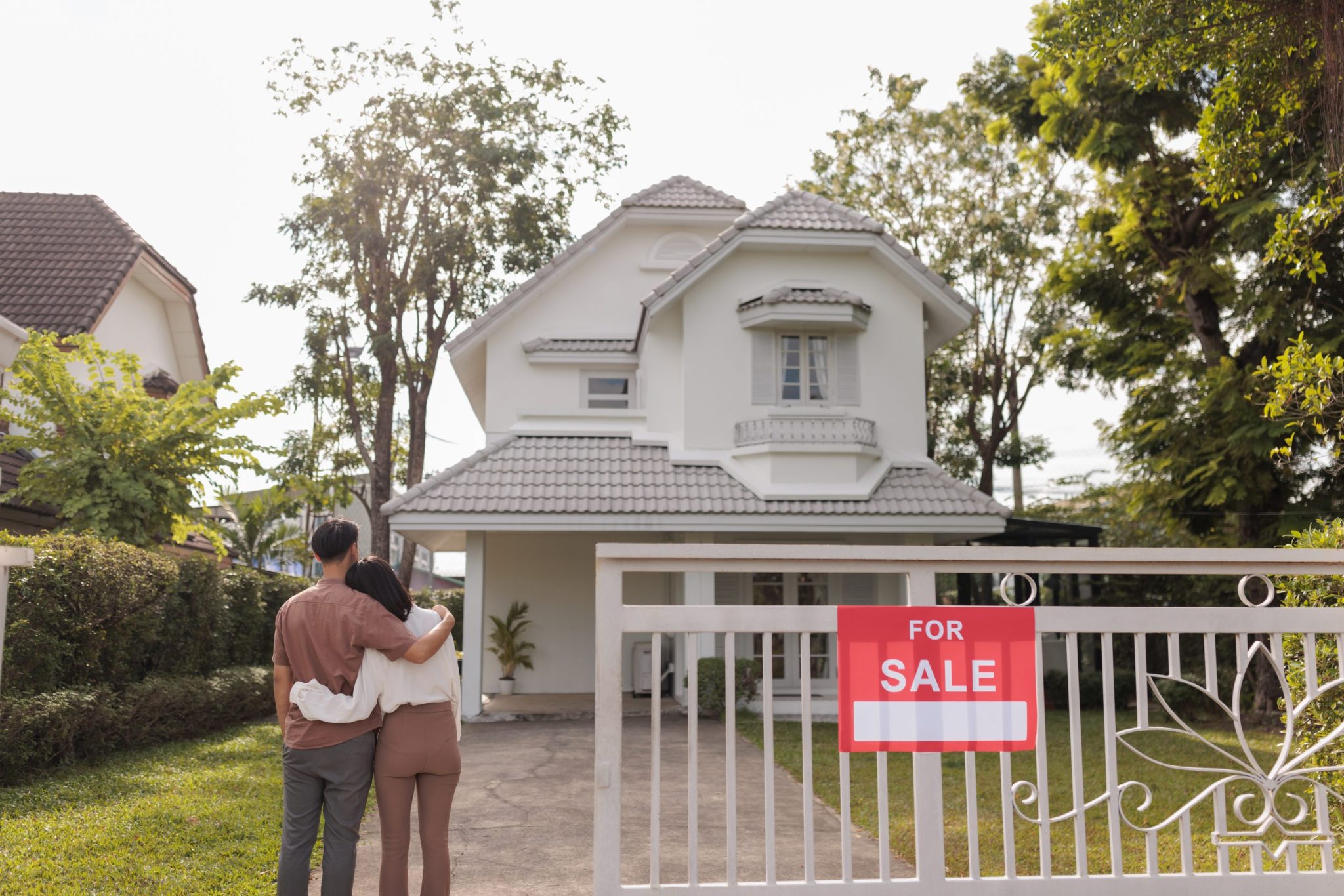
They waited out the pandemic boom. They saved longer, rented longer, delayed longer, and watched the typical first-time homebuyer age climb to a record 40. Now, the buyers who did everything right are running into a new problem: The Northeast just became the fastest-growing region for million-dollar starter homes in the country.
It’s especially imperfectly timed for millennials entering their peak household spending years and beginning to form their own families (or at least try to).
A Zillow report published Monday counts a record 242 U.S. cities where starter homes cost $1 million or more—nearly triple the 80 cities that cleared that mark before the pandemic, and up from 226 one year ago.
The share of first-time buyers has fallen to half the historical norm. For millennial parents in the Northeast—now in their late 30s and early 40s, often with kids, hunting for more space—the numbers have a specific shape.
New Jersey had one million-dollar starter city before the pandemic. Now it has 26. New York used to have 12; now it has 41. The two states added 15 cities to the list in the past year alone—faster growth than anywhere else in the country. The New York City metro now leads all with 63 cities where a starter home runs $1 million or more.
That growth didn’t happen in a vacuum. Six of the 10 most competitive housing markets in the country are in the Northeast, per Zillow’s 2026 analysis, a region where new construction has chronically lagged and inventory deficits run deepest. California still leads the raw count with 105 cities, but the Northeast is where the crisis is actively spreading.
“A housing shortage a decade in the making ran headlong into intense demand with mortgage rates at historic lows, driving up home values at a record pace,” Zillow senior economist Kara Ng wrote. For Northeast buyers, those forces have compounded.
The 40-year-old housing virgin
First-time homebuyers are historically younger, although the typical age of first-time buyers climbed to an all-time high of 40, according to a National Association of Realtors report released in November 2025. In fact, the housing market has gotten so unaffordable that the number of first-time homebuyers fell to half the historical norm last July.
A rising price floor on starter homes only pushes that first home purchase further out of reach. And it’s a problem that’s exacerbated especially during the past couple of years.
“For homebuyers, the prevalence of million-dollar cities significantly—greatly—strains what is already the worst housing affordability since at least the 1980s,” Christopher M. Naghibi, executive vice president and chief operating officer at First Foundation Bank, told Fortune in 2024 when Zillow released a report about the number of U.S. cities with $1 million median-priced homes. “Prospective buyers in these markets face higher barriers to entry, needing ridiculously large down payments and higher incomes to afford homes.” That still holds true today.
Zillow defines a starter home as one in the lowest third of home values in a given region. Nationwide, the typical starter home is worth $198,649, up 1.7% from a year earlier. But in well over 200 U.S. cities, starter home prices are a whopping five times higher than that. It’s a phenomenon that keeps spreading, and into places it never used to touch.
Zillow chalks it up to the effects of the pandemic housing boom.
“A housing shortage a decade in the making, ran headlong into intense demand with mortgage rates at historic lows, driving up home values at a record pace,” Zillow senior economist Kara Ng wrote.
It’s not just a California problem anymore
Before 2020, the list of cities with $1 million starter homes was almost all coastal. Colorado was the only non-coastal state with a million-dollar starter home city. Now 26 states have at least one, up from nine before the pandemic. Texas, Wyoming, and Illinois each have multiple.
California still leads with 105 cities, but the fastest growth is in the Northeast. New York and New Jersey added 15 cities combined over the past year. New York is now up to 41, from just 12 before the pandemic. New Jersey is at 26, up from one.
The New York City metro area tops all metros with 63 cities where a starter home runs $1 million or more. San Francisco follows with 37, then Los Angeles with 33, San Jose with 13, and Miami and Seattle with eight each. The trend aligns with Zillow’s 2026 hottest markets analysis, which found six of the 10 most competitive housing markets are in the Northeast, where new construction has lagged and inventory deficits run deep.
The pandemic reset the cost of buying a home. A housing shortage a decade in the making collided with surging demand and historically low mortgage rates, pushing values up at a record pace. Those effects have stuck.
Young buyers are bearing the brunt
The squeeze on millennials and Gen Z has been building for years. Baby boomers, sitting on paid-off homes or cheap pandemic-era mortgages, have edged younger buyers out of the market in record numbers. The cost has pushed some Americans to delay milestones like marriage and kids, and others to co-buy homes with friends or partners just to split the bill.
Others have done the opposite—had kids first, rented longer, and are now hunting for space in a market that moved against them. Some are co-buying homes with friends or partners just to split the bill.
“We’re seeing a reshaping of the housing ladder,” Alexandra Gupta, a real estate broker with The Corcoran Group, previously told Fortune. “Some first-time buyers are turning to long-term renting or even co-living models because the idea of owning a home has become so out of reach.”
There are modest signs of relief. Conditions are slowly turning friendlier for buyers. Zillow found the typical buyer now breaks even versus renting after about six years, down from more than eight in late 2023. More inventory and slower price growth mean buyers who are financially prepared are in better shape than they had been.
But “financially prepared” is carrying a lot of weight in 242 cities where there are $1 million starter homes. For a young buyer there, the costs pile up fast: a bigger down payment, a higher monthly mortgage, and a steeper climb before they achieve the American Dream.
But “financially prepared” means something different at 40, with kids, in a market where the starter home costs $1 million. No wonder the American Dream is largely happening in Texas.
This story was originally featured on Fortune.com